

How to Start Freelancing With No Experience (Beginner’s Guide)
Freelancing is no longer a part-time activity. Freelancing is a complete profession that millions of people select as their career choice each year.
In any case, if you have been looking for a guide on how to begin freelancing or how to begin a freelance career, I’m sure you have been
- What skill should I pick?
- Can one begin freelancing without experience?
- How To Obtain Your First Freelancing Client?
- Is freelancing a stable profession?
No motivational fluff.
No unrealistic promises.
A simple roadmap for a beginner to start freelancing the right way
Whether You’re a Student, a Freelancer, and/or a Career Changer, this is the Ultimate Freelancing guide for you.

What Is Freelancing?
Freelancing is the act of providing a skill or service to clients independently, without being contractually bound to a single employer.
Rather than:
- Employing the 9–5 model of working
You:
- Deal with multiple clients
- Select your projects
- Set Your Own Rates
- Work Remotely (in most cases)
Common freelance services include:
- Freelance
- Editing, writing, content development
- Graphic design
- Web development
- UI/UX Design
- Online marketing
- Video editing
- SEO
- Virtual assistance
Freelancers are paid on a project rate, hourly rate, or monthly rate depending on the deal.
Why Freelancing Is Worth Starting
First of all, before learning how to become a freelancer, you need to understand why freelancing is growing so fast.
1. Global demand for remote talent
Now, companies hire skills and not locations. A client based in the US can hire you from India, Europe, or any other part of the world.
2. Low entry barrier
You don’t need:
- A degree
- An office
- Huge investment
You only need:
- A skill
- Internet
- Consistency
3. Scalability of income
Unlike a fixed salary:
- Experience grows an independent contractor’s income
- You can raise the rates
- You can work with better clients
4. Career flexibility
Freelancing gives one:
- Mastery over time
- Choice of clients
- Freedom to change niches
Step 1: Choose the Right Freelance Skill (Most Important Step)
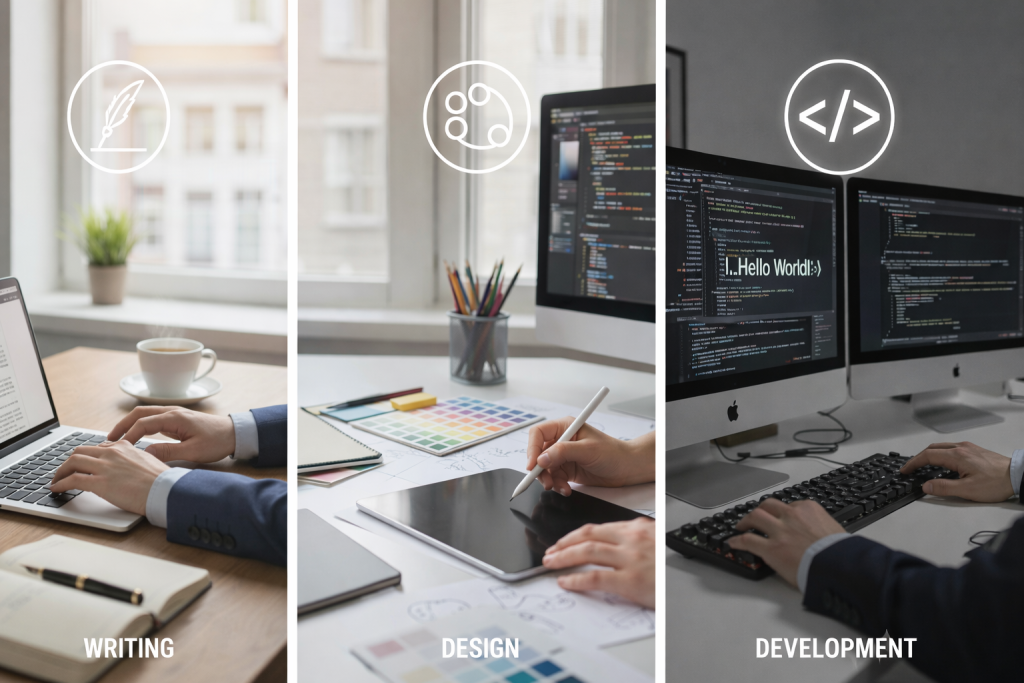
This is where most beginners go wrong.
They ask:
“What is the highest-paying freelance skill?”
Wrong question.
The right question is:
“Which skill can I realistically learn and deliver?”
Freelance Skills in High Demand for Beginners
Below are the beginner-friendly freelance skills that are in high demand:
Writing & Content Creation
- Blog Writing
- SEO content writing
- Copywriting
- Social media captions
Suited for: Those who enjoy writing and research
Graphic Design
- Social media creatives
- Logos
- Marketing images
Tools: Canva, Figma, Adobe tools
Web Development
- WordPress development
- Front-end development
- Website maintenance
- Increased learning slope, greater rewards
Digital Marketing
- SEO
- Social media management
- Buying Ads
- Email marketing campaigns
UI/UX Design
- App & Website Interface Design
- User experience optimization
Tip for Beginners:
- You don’t have to know everything.
- Choose a skill and focus on it intensely.
Step 2: Learn the Skill Properly (No Shortcuts)
If you want to become a freelancer effectively, your skill quality is more important than certifications.
The Best Ways to Learn Freelancing Skills
- Free resources (YouTube, blogs)
- Online Courses (Skill-Specific)
- Practice Projects
- Reverse Engineering Quality Work
What “Learning” Actually Means
Learning a skill means:
- You can deliver results
- Ability to solve real-world problems
- You can explain what you do for clients
- More than simply watching videos.
Step 3: Build a Simple Freelance Portfolio (Even With No Experience)
One of the major apprehensions beginners face:
“I don’t have experience. How do I create a portfolio?”
Good News: Clients are not required to create a portfolio.
How to Build a Freelance Portfolio Without No Clients

- Create sample projects
- Re-designing others websites
- Write demonstration blog posts
- Develop mock graphics
- Offer free or discounted work initially
Your portfolio should show:
- What you can do
- How you solve problems
- Your style and quality
Portfolio Platforms
- Personal website
- Google Drive
- Notion
- Behance / Dribbble (for designers)
- GitHub (for developers)
Step 4: Decide Where You’ll Find Freelance Clients
Now comes the practical part of how to start freelancing—getting clients.
Best Freelance Platforms for Beginners
- Upwork
- Fiverr
- Freelancer
- PeoplePerHour
- Toptal (advanced)
Other Ways to Get Freelance Clients
- LinkedIn outreach
- Twitter (X)
- Cold emails
- Referrals
- Personal website + SEO
Platform vs Direct Clients
- Platforms: Easier for beginners, high competition
- Direct clients: Better pay, long-term growth
Step 5: Create a Strong Freelance Profile That Converts
Your profile is your sales page.
What to include in a good freelance profile:
- Headline (clear-what problem you solve)
- Brief introduction, not lifetime story
- Competencies and resources
- Portfolio samples
- Simple call to action
Example Headline
Wrong -Experience Freelancer for 2 Years
Right – I help startups create conversion-focused websites
Step 6: Learn How to Send Winning Proposals
Most beginners fail here.
- They copy and paste proposal ideas
- No attention is paid to them
How to Build a Winning Freelance Proposal
- Personal greeting
- Show you understand the problem
- Describe solutions to the problem
- Share relevant work
- Clear next step
Key Tip:
- Clients don’t care about you.
- They care about their problem.
Step 7: Set Freelance Pricing (Without Undervaluing Yourself)
Pricing is complicated for a newcomer.
Beginner Freelance Pricing Tips:
Start reasonable, not cheap
- Research market rates
- Priced on value, not fear
- Increase rates as experience grows
Common Pricing Models
- Hourly
- Per project
- Monthly retainers
Step 8: Deliver Quality Work & Build Trust
Your first clients matter the most.
Focus on:
- Clear communication
- Meeting deadlines
- Over-delivering slightly
- Being professional
Good work leads to:
- Reviews
- Referrals
- Long-term clients
Step 9: Avoid Common Freelancing Mistakes
Most people stop freelancing because of mistakes that could have been avoided.
Biggest Freelancing Mistakes for Beginners
- Learning too many skills at once
- Underpricing services
- Throwing away contracts
- Poor communication
- Depending on one platform only
Step 10: Scale Your Freelance Career
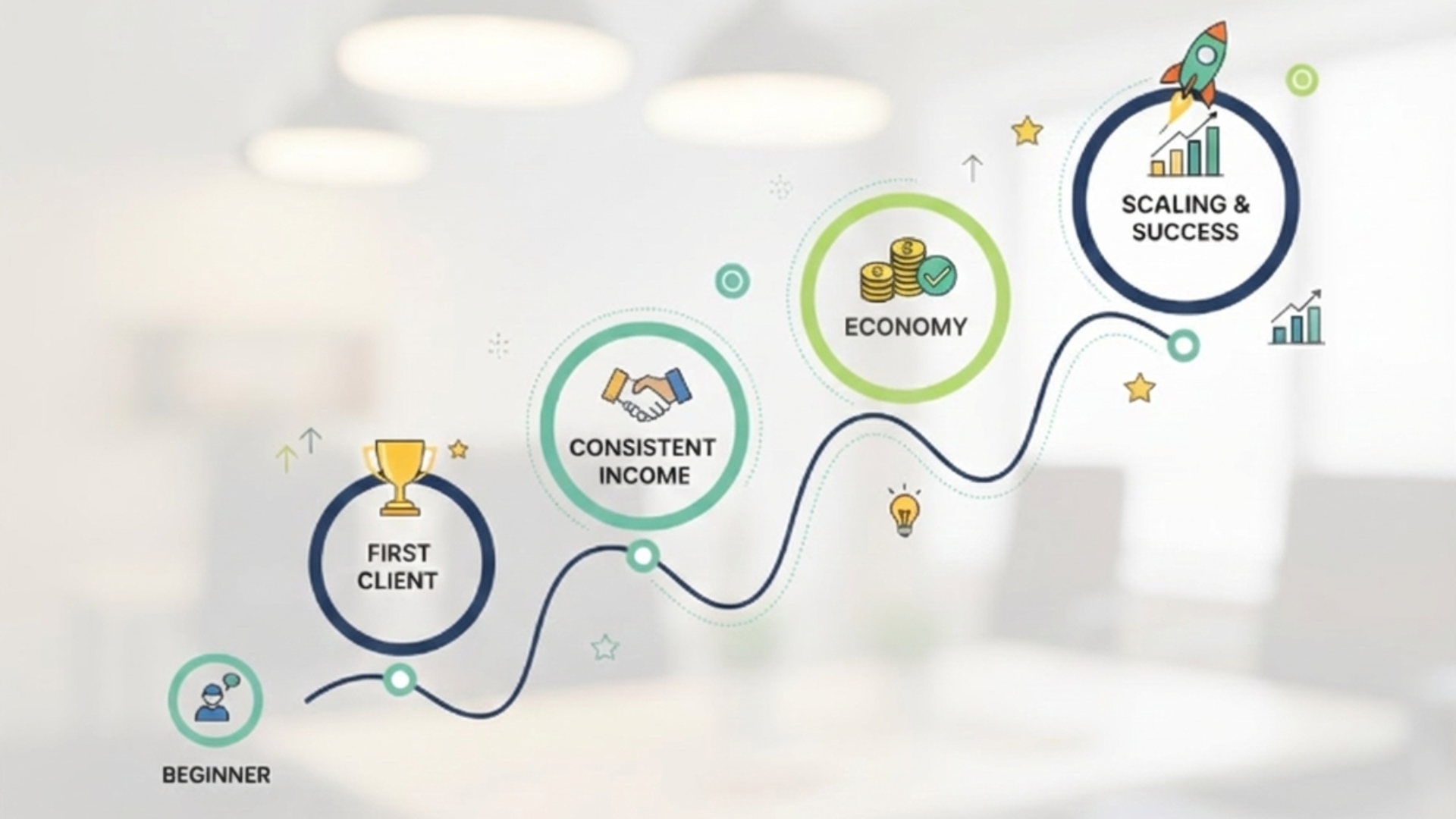
Once you start getting consistent work:
- Increase rates
- Niche down
- Build personal brand
- Create systems
- Move from freelancer → consultant
This is how freelancing becomes sustainable and profitable.
Conclusion
If you’re willing to:
- Continuous Learning
- Resist rejection
- Consistency is key
Then yes – freelancing is definitely worth it.